Unveiling the Celestial Spectacle: The Penumbral Lunar Eclipse of March 25, 2024
March 25, 2024
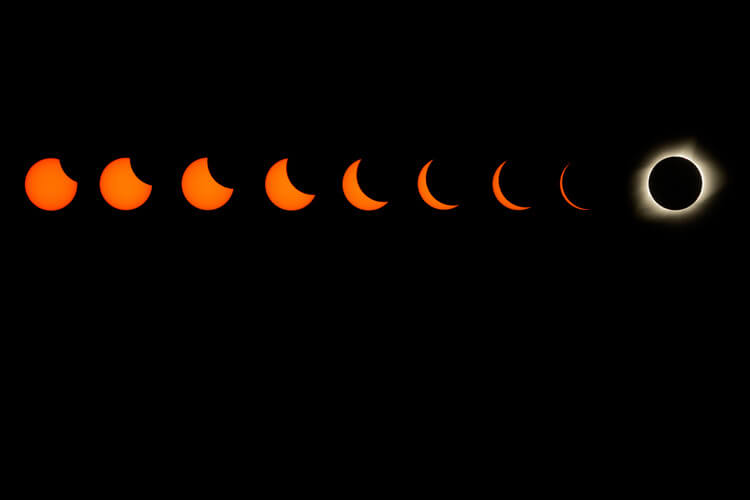
Unveiling the Celestial Spectacle: The Penumbral Lunar Eclipse of March 25, 2024\n\n
In the cosmic ballet of celestial events, the first eclipse of the year is poised to grace the night sky - a penumbral lunar eclipse occurring at the lunar orbit’s descending node in Virgo. As we prepare to witness this captivating phenomenon, let's delve into the intricacies of this celestial spectacle.\n\n
Understanding the Eclipse:\n\n A penumbral lunar eclipse unfolds when the Moon traverses Earth's penumbral shadow, resulting in a subtle shading of the lunar surface. This March 25 eclipse is particularly profound, with a penumbral magnitude of 0.9577 and a duration spanning an impressive 279.9 minutes.\n\n 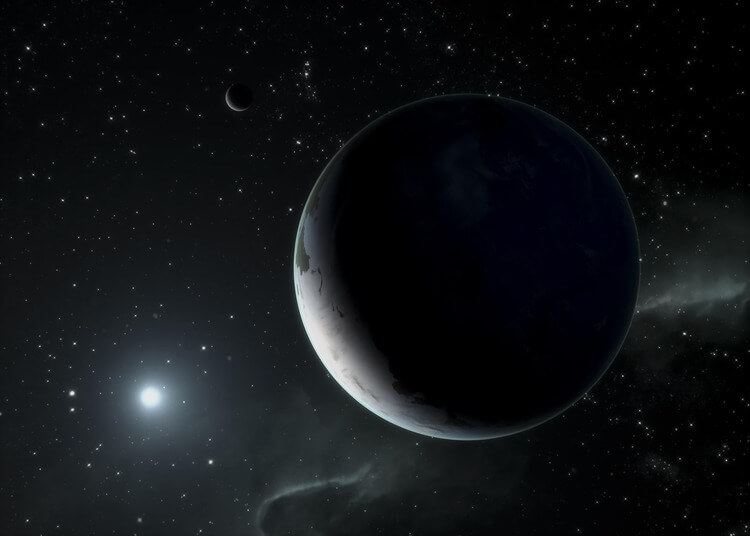 \n\n
\n\n
Phases of the Eclipse:\n\n The journey of the moon through Earth's penumbral shadow manifests in distinct phases. The penumbral eclipse begins at 04:53:09 UTC, reaching its zenith at the greatest eclipse moment at 07:12:51 UTC, and gracefully concluding at 09:33:01 UTC. It's important to note that the beginning and end of a penumbral eclipse might elude the naked eye, with shading becoming perceptible only when about 2/3 of the Moon's disk is immersed in the penumbra.\n\n
Visibility Across the Globe:\n\n The spectacle unfolds with the Moon passing through the northern part of Earth's penumbral shadow. While the entire event is visible from most of North America, South America, and the Pacific Ocean, regions such as eastern Europe, eastern Africa, Asia, and western Australia will miss out on this lunar rendezvous.\n\n
Zenith Moment in the Pacific Ocean:\n\n At the moment of greatest eclipse (07:12:51 UTC), the Moon takes center stage at the zenith, gracing a point in the Pacific Ocean approximately 800 kilometers west of the Galapagos Islands. This zenith alignment adds a unique celestial touch to the event.\n\n 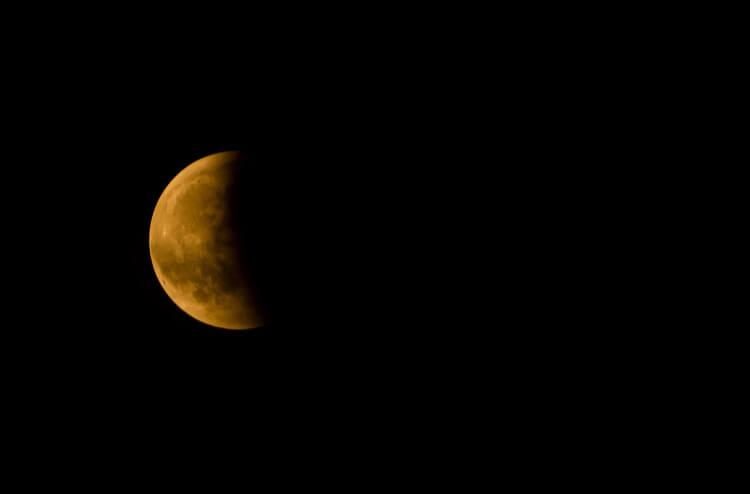 \n\n
\n\n
A Glimpse into Saros Series 113:\n\n The March 25 eclipse is part of the illustrious Saros series 113, marking its 64th appearance. This series, stretching over 1262.1 years from 888 to 2150, weaves a tapestry of lunar eclipses, including penumbral, partial, and total phases, contributing to the rich astronomical legacy.\n\n
Observational Challenges and Delights:\n\n Observing a penumbral eclipse brings its own set of challenges and delights. Detecting penumbral shading with the naked eye or binoculars becomes an engaging exercise, commencing around 06:25 UTC. However, factors such as atmospheric conditions and the observer's visual acuity play pivotal roles in this cosmic rendezvous.\n\n