Astrology in Ancient Civilizations: Wisdom from Egypt, India, and Mesopotamia
February 27, 2025
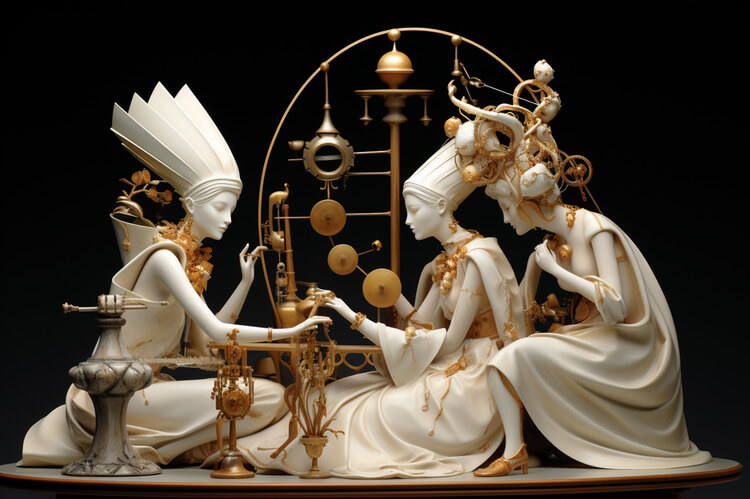
Astrology in Ancient Civilizations: Wisdom from Egypt, India, and Mesopotamia\n\n
Astrology, one of humanity's oldest sciences, has been practiced across ancient civilizations as a tool for understanding the cosmos and human life. In **Egypt**, **India**, and **Mesopotamia**, astrology played a vital role in religion, governance, and daily life, shaping cultural beliefs that continue to influence modern astrology.\n\n
Astrology in Ancient Egypt\n\n In ancient Egypt, astrology was deeply tied to the movements of the stars, particularly the **Sirius star** and constellations like **Orion**. Sirius' rising marked the annual **Nile flooding**, crucial for agriculture and survival. Egyptian priests used the stars to develop calendars and predict natural events, blending astronomy and astrology. Horoscopes were often created using the **decans**, 36 star groups that divided the night sky into equal parts. Egyptian astrology also connected celestial movements with gods like **Ra**, **Thoth**, and **Horus**, representing divine forces influencing earthly events.\n\n
 \n\n
\n\n
Astrology in Ancient India\n\n In India, **Vedic Astrology**, or **Jyotish**, emerged as a sacred science over 5,000 years ago. Rooted in the **Vedas**, the ancient scriptures, Jyotish translates to “science of light,” emphasizing the impact of celestial bodies on human destiny. Indian astrology uses the **sidereal zodiac**, based on fixed star positions, and highlights the influence of the **Navagrahas** (nine planets), including the moon's nodes, **Rahu** and **Ketu**. Birth charts, or **Kundali**, were created to guide individuals on their life path, offering insights into karma, dharma, and spiritual growth.\n\n
Astrology in Mesopotamia\n\n Mesopotamia, often regarded as the birthplace of astrology, saw the rise of celestial divination around 2000 BCE. The **Babylonians** meticulously recorded planetary movements, developing the first **zodiac wheel**, divided into 12 signs we recognize today. They believed that celestial events reflected the will of the gods and could predict the fate of kings and empires. The Babylonians also introduced the concept of **horoscopic astrology**, using planetary positions at the time of birth to interpret personal destinies. Their wisdom laid the groundwork for Greek and later Western astrology.\n\n
Cultural Legacy\n\n - Egypt gave us the spiritual connection between stars and divine powers. \n\n - India developed a highly detailed astrological system still in practice today. \n\n - Mesopotamia created foundational tools like the zodiac and horoscopes. \n\n
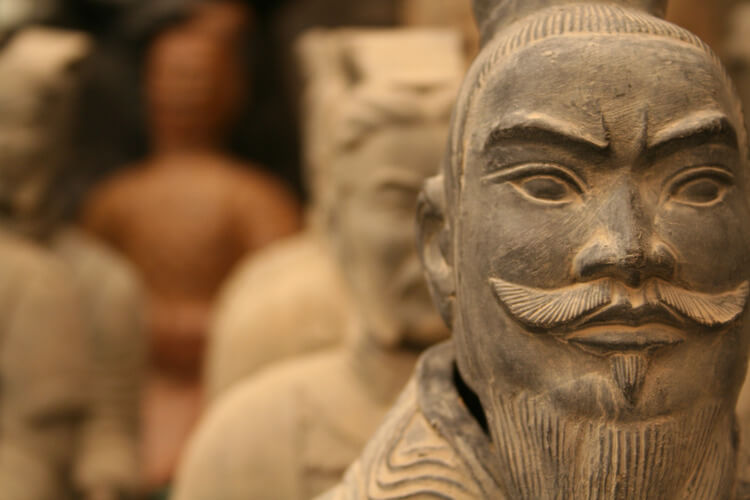 \n\n
\n\n
These civilizations viewed astrology as a bridge between the heavens and earth, blending spiritual wisdom with scientific observation.\n\n
Conclusion\n\n The ancient Egyptians, Indians, and Mesopotamians used astrology to decode life’s mysteries, govern societies, and align with cosmic rhythms. Their wisdom endures, reminding us that the stars have guided humanity for millennia. Whether through Egyptian decans, Vedic charts, or Babylonian zodiacs, astrology remains a timeless tool for insight and connection to the universe. 🌟